


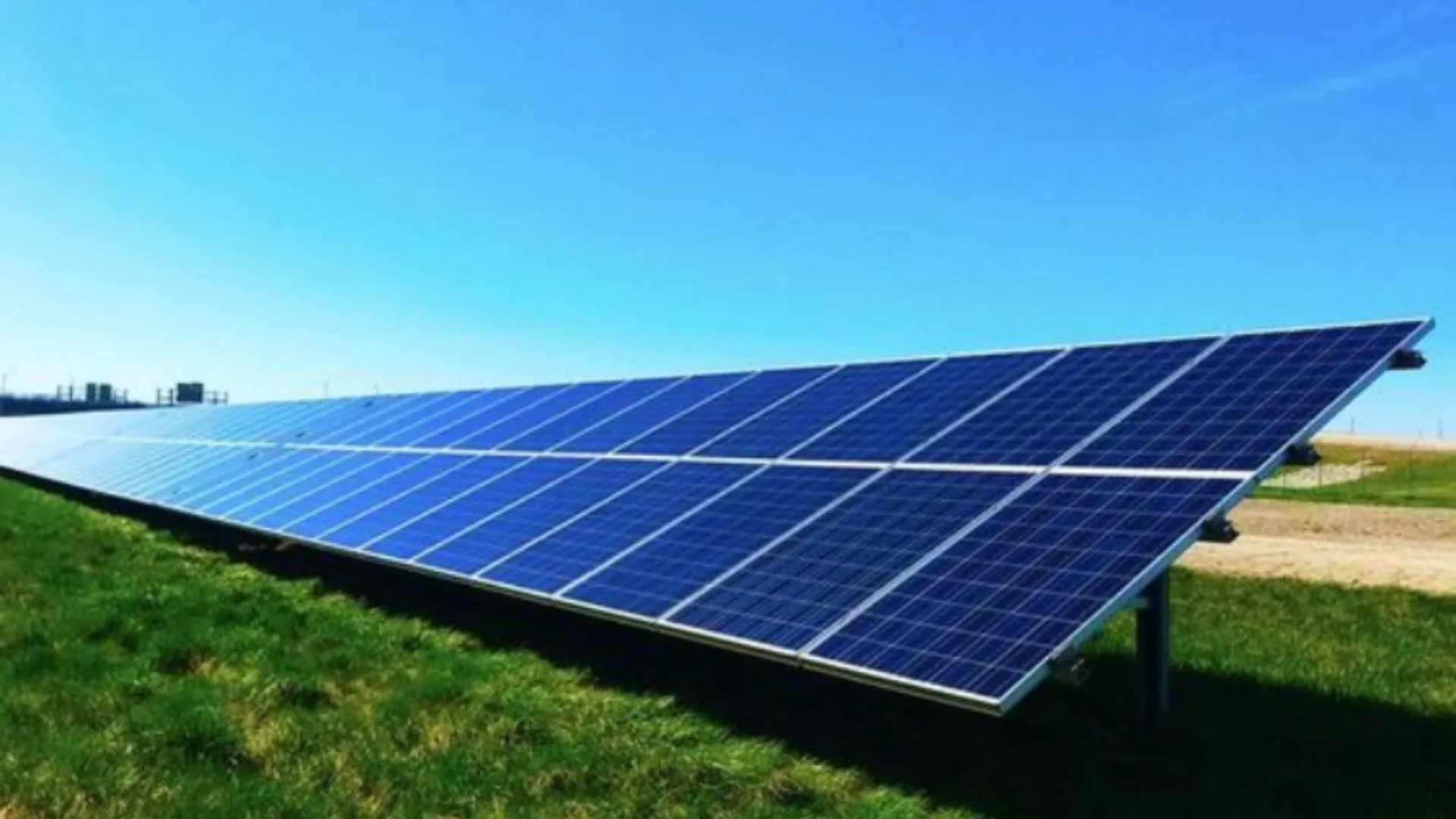
Government Subsidy For Solar Panels
Electricity bill is increasing every year. Many people in India think about solar panels but stop because of high cost. Government knows this problem. That is why central government and many state governments give subsidy on solar panels.
Subsidy means government pays part of your solar panel price. You pay less money from your pocket. This helps common people install solar panels on their house roof.
In this article we will explain everything about government subsidy for solar panels. We will not use hard words. We will not use any confusing terms. You will understand clearly how to get subsidy, how much money you save, and what papers you need.
This information is useful for home owners, small business owners, farmers, and even for people living in flats.
What is Solar Subsidy – Simple Meaning?
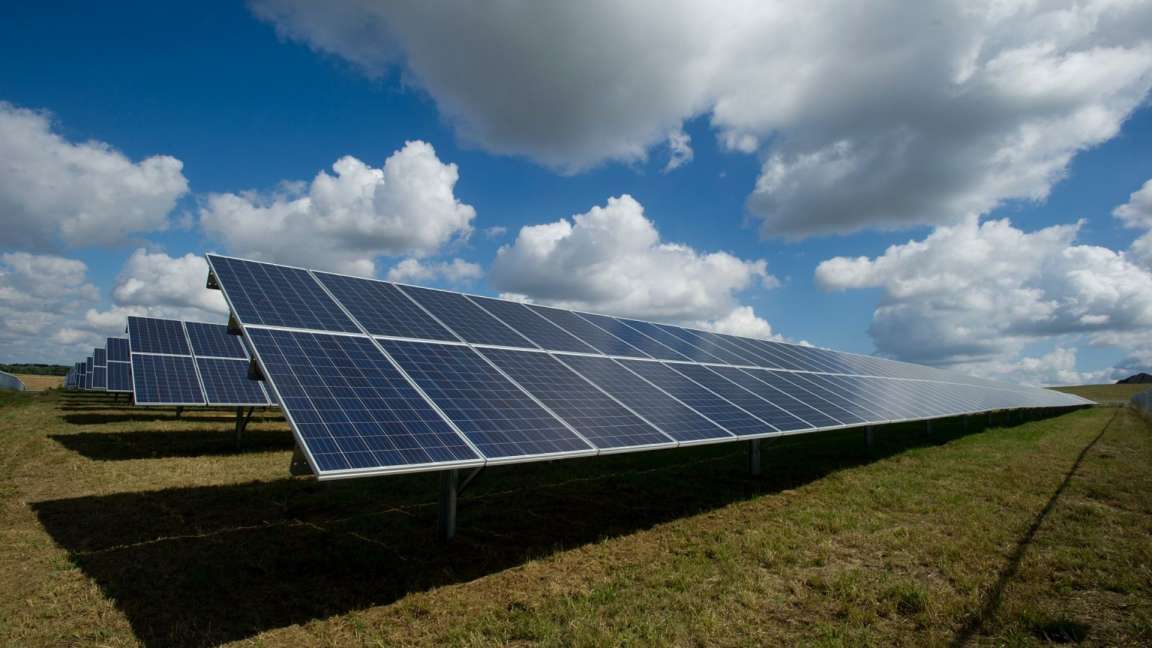
Subsidy is financial help from government. When you buy solar panels, government gives you money back or directly pays the company. Your final cost becomes lower. For example – If solar system price is one lakh rupees and government gives thirty percent subsidy, you pay only seventy thousand rupees. This subsidy is only for certain types of solar systems. Not all solar panels get subsidy. We will explain which ones.
Read Also: Biodegradable Products Manufacturers In India
Which Solar Systems Get Government Subsidy?
Government gives subsidy only on rooftop solar systems. These are panels installed on your house roof. Big ground mounted solar farms do not get this subsidy for individual people.
Also, subsidy is only for on-grid systems. On-grid means your solar panels are connected to electricity company line. You use solar power first. Extra power goes to electricity company. When solar power is less, you take from company.
Off-grid systems (with battery) get less subsidy or no subsidy in many schemes.
So remember – for home subsidy, you need on-grid rooftop solar.
How Much Subsidy Does Government Give?
Central government has a scheme called PM Surya Ghar Muft Bijli Yojana. Under this scheme, subsidy is given based on system size.
Here is the simple table:
| System Size | Subsidy Amount (Rupees) |
|---|---|
| 1 to 2 kW | 30,000 to 60,000 |
| 2 to 3 kW | 60,000 to 78,000 |
| Above 3 kW | 78,000 fixed |
This means if you install 1 kW system, you get 30,000 rupees subsidy. If you install 2 kW, you get 60,000. If you install 3 kW or 4 kW or 5 kW, you get only 78,000 maximum.
Many people think bigger system gives more subsidy. That is wrong. Maximum subsidy is 78,000 rupees.
Some state governments give extra subsidy on top of central subsidy. For example Gujarat, Maharashtra, Kerala, Tamil Nadu give some additional amount. But that depends on your state.
Who Can Get This Subsidy – Eligibility Rules?
Not everyone can get subsidy. You have to meet these conditions.
Condition 1 – You Must Be Indian Citizen
Only Indian citizens living in India can get this subsidy. NRI or foreign citizens cannot get.
Condition 2 – You Must Have Your Own House
Subsidy is only for your own roof. Tenants or renters cannot get because roof is not in their name. You need property papers to show ownership.
Condition 3 – You Must Use Approved Solar Panels
Government has a list of approved solar panel brands and models. You cannot buy any random panel. Your installer must use government approved list.
Condition 4 – You Must Use Registered Installer
You cannot buy panels from market and install yourself. Only installers registered with electricity company can do the work. They give you proper bill and warranty.
Condition 5 – Electricity Connection Must Be in Your Name
Your house electricity bill must have your name. The solar system is connected to that meter. If electricity connection is in father or mother name, that also works. But name must match property papers.
Condition 6 – No Arrears in Electricity Bill
Before applying for subsidy, pay all pending electricity bills. If you have old unpaid bills, your application will be rejected.
Documents You Need for Solar Subsidy
Keep these papers ready before you apply. This will save time.
-
Aadhaar card – for identity and address proof
-
Electricity bill – latest bill showing your name and address
-
Property papers – any document showing you own the house (sale deed, registry, municipal tax receipt, or even ration card for old houses)
-
Bank account passbook – subsidy money comes to your bank account
-
Passport size photo – one or two photos
-
Mobile number – for OTP and updates (same as linked to bank and electricity account)
If you are applying through a solar company, they will ask for copies of these documents. Give clear copies.
Step by Step Process to Get Subsidy
The process is online now. You do not have to visit government office many times. Follow these steps carefully.
Step 1 – Go to National Portal
Open official website – pmsuryaghar.gov.in
This is the only correct portal. Do not use any other site.
Step 2 – Register with Mobile Number
Enter your mobile number. OTP comes. Enter OTP. Fill your name, state, district, electricity company name.
Step 3 – Fill Application Form
Enter your electricity consumer number (written on your bill). Enter your address. Upload electricity bill and Aadhaar.
Step 4 – Choose Your Installer
Portal will show list of registered solar installers near you. You can choose any one. Or you can bring your own installer if already registered.
Step 5 – Installer Visits Your House
The installer comes to check your roof. He measures space. He asks about your electricity usage. Then he gives you a quote. Quote includes panel price, inverter price, stand price, wiring price, and installation charge.
Step 6 – Installer Uploads System Details
After you agree, installer uploads system size, panel model, inverter model on the portal. This is called technical approval.
Step 7 – Electricity Company Approves
Your electricity company checks the application. They take 7 to 15 days. If everything is correct, they give approval. This is called feasibility approval.
Step 8 – Install Solar Panels
After approval, installer does the actual installation. This takes one to three days depending on system size.
Step 9 – Electricity Company Inspection
After installation, company sends an officer to your house. He checks if system is installed properly. He checks meter connection. He takes photos.
Step 10 – Subsidy Money in Your Bank
After inspection is passed, subsidy amount is sent to your bank account within 30 days. In many cases it comes faster, sometimes within 15 days.
How Much You Actually Pay After Subsidy?
Let us take a real example. This is actual market price in most Indian cities in 2026.
System size – 3 kW
Market price without subsidy – 1,50,000 to 1,80,000 rupees (depending on brand and city)
Central government subsidy – 78,000 rupees
Your final cost – 72,000 to 1,02,000 rupees
This is one time cost. After this, your electricity bill becomes almost zero for 25 years. Solar panels last 25 years easily. Inverter may need change after 8 to 10 years.
If your monthly bill is 1500 rupees, you save 18,000 rupees per year. In 5 to 6 years, you recover your full cost. Remaining 19 to 20 years, you get free electricity.
State Wise Subsidy Information (Quick Look)
Some states give extra subsidy. But rules keep changing. At the time of writing this article (June 2026), here is rough information.
| State | Extra Subsidy | Notes |
|---|---|---|
| Gujarat | Yes | Up to 40,000 extra |
| Maharashtra | Yes | For low income families |
| Kerala | Yes | Limited to 2 kW systems |
| Tamil Nadu | Yes | For weavers and small shops |
| Uttar Pradesh | No | Only central subsidy |
| Bihar | No | Only central subsidy |
| Rajasthan | No | Only central subsidy |
| Madhya Pradesh | No | Only central subsidy |
| West Bengal | No | Only central subsidy |
| Karnataka | No | Only central subsidy |
Always check your state electricity company website before applying. Extra subsidy can change without notice.
You May Also Like: Small Wind Turbine For Home: Revolutionize Your Energy
Common Mistakes That Delay Subsidy
Many people apply but do not get subsidy for months. These are common reasons.
Mistake 1 – Using Unapproved Solar Panel
Your installer gave you a cheap local panel. That panel is not in government approved list. Your application will be rejected. Always ask installer to show approval letter for that panel.
Mistake 2 – Wrong Name on Documents
Your electricity bill has name of husband. Your Aadhaar has maiden name of wife. Both do not match. Application gets stuck. Keep all document names same.
Mistake 3 – Installer Not Registered
Some local electricians say they can install solar. They are not registered on government portal. Their installation will not get subsidy. Only registered installers can give you subsidy eligible system.
Mistake 4 – Not Taking Photos During Installation
Electricity company asks for photos of panels, inverter, meter, and roof before inspection. If your installer did not take clear photos, inspection fails and you have to reapply.
Mistake 5 – Missing Deadline
After you get approval, you have to install within 30 days. Many people delay. Then approval expires. You have to apply again.
Subsidy for Farmers – Separate Scheme
Farmers get special subsidy for solar water pumps. This is not the same as rooftop scheme. There is a separate scheme called PM KUSUM.
Under KUSUM scheme, farmers can install solar pumps for irrigation. Government gives very high subsidy, up to 80 percent in some cases. But that scheme has different rules and different portal.
If you are a farmer, ask your local agriculture department or electricity company about PM KUSUM. Do not apply on rooftop portal.
Subsidy for Flats and Apartments – What to Do
If you live in a flat, you cannot put solar panels on individual flat roof because roof is common area. But your apartment association can install solar on common roof. Then electricity is used for common areas like lights, lift, water pump.
In that case, subsidy is given to the apartment association. Each flat owner does not get individual subsidy. The association has to apply. The subsidy amount is same based on system size.
No Subsidy for These Situations
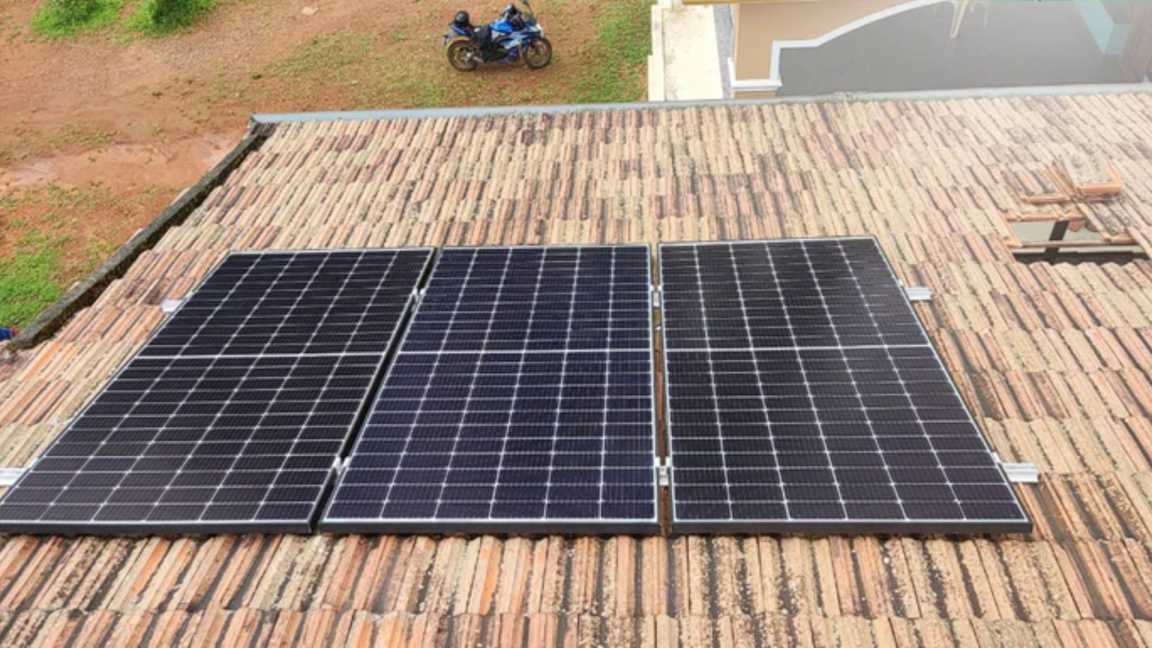
You will not get subsidy in these cases.
- You already installed solar panels before applying. Subsidy is only for new installation.
- You are renting the house.
- You are installing only solar water heater (not electricity panels).
- You are installing battery based system.
- You are installing system bigger than 10 kW for home. Above 10 kW, subsidy is only for businesses.
- You are installing panels on ground in your farm (unless it is PM KUSUM pump scheme).
How to Check Real Subsidy Status?
After you apply, you can check status online.
Go to pmsuryaghar.gov.in
Click on Track Application
Enter your application number or registered mobile number
You will see one of these statuses.
-
Application Submitted – You have filled form successfully.
-
Feasibility Pending – Electricity company has not yet approved.
-
Feasibility Approved – Company has said yes. Now you can install.
-
Installation Completed – Installer has marked work as done.
-
Inspection Pending – Company officer will visit soon.
-
Inspection Passed – Your system is correct. Subsidy will be sent.
-
Subsidy Disbursed – Money has been sent to your bank account.
If status shows Rejected, it will also show reason. Fix that reason and apply again.
FAQs
Question 1 – Is subsidy available in all states of India?
Yes. Central government subsidy is available in all states. But in some states the portal is still being set up. If your state does not have online facility, contact your electricity company office directly.
Question 2 – Can I take loan and still get subsidy?
Yes. Loan has no relation to subsidy. You can take bank loan for solar. Subsidy comes separately to your account. You can use that money to pay loan or keep with you.
Question 3 – Does subsidy reduce every year?
Sometimes yes. Government reviews subsidy every year. In earlier years, subsidy was 40 percent. Now it is fixed amount. In future it may change. Apply as soon as possible.
Question 4 – How much time does subsidy take after installation?
Usually 15 to 45 days after inspection passed. In some states it takes 2 months. If it takes longer, complain on national portal or call electricity company.
Question 5 – Can I sell extra electricity to company?
Yes. That is called net metering. When you produce more electricity than you use, the extra goes to company. Company gives you credit in next bill. You do not get cash. You get less bill next month.
Question 6 – My electricity bill is very low. Is solar worth it?
If your monthly bill is below 800 rupees, solar may not save much. Your payback period will be very long. Solar is best when monthly bill is above 1500 rupees.
Question 7 – Can I install solar panels myself and then get subsidy?
No. Installation must be done by registered installer. Otherwise no subsidy. Also self installation is dangerous for high voltage DC current.
Final Words – Is Solar Subsidy Really Helpful?
Government subsidy for solar panels is a very good help. Without subsidy, a 3 kW system costs nearly 1.8 lakh rupees. With subsidy, it costs about 1 lakh rupees. That is a saving of 78 thousand rupees. This is not small money. For middle class family, this is huge help.
But one important thing. Do not choose a bad quality installer just because he promises faster subsidy. Many fake installers take your money and run away. Always check registration number on government portal. Ask for bills. Take warranty papers.
Also, subsidy alone is not enough. You must check if your roof gets enough sunlight. If your house is surrounded by tall buildings or big trees, solar panels will not work well. Get a shade test done before buying.
We have seen many families in Delhi, Mumbai, Chennai, Bangalore, Lucknow, Patna, and small towns also getting subsidy without any problem. The process is fully online now. It is much easier than five years ago.