


Solar Battery Vs Home Battery
Most people searching for “solar battery vs home battery” are confused by the words, not the technology. The two phrases get thrown around by installers, salespeople, and manufacturers as if they describe different products. They usually do not.
Here is the practical difference in plain language.
The Core Distinction Nobody Explains Clearly
- A solar battery is a storage unit designed to pair with solar panels. It captures the extra electricity your panels make during the day so you can use it at night.
- A home battery is a broader category. It covers any battery installed at your house, whether it charges from solar, the grid, or both.
- Think of it this way. Every solar battery is a home battery. Not every home battery is a solar battery.
- That single sentence resolves most of the confusion. But the practical implications go further than naming.
Why the Same Battery Gets Two Names?
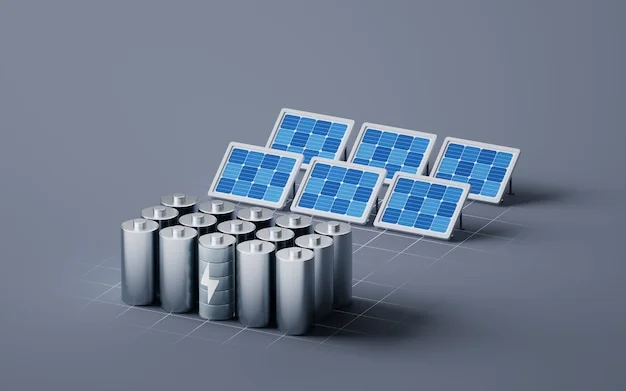
Manufacturers label their products based on how they expect you to use them. If the marketing targets solar owners, the product becomes a “solar battery.” If it targets backup power or grid savings, the same product becomes a “home battery.”
The hardware does not change. The inverter setup and wiring might differ, but the battery cells themselves are the same lithium-ion or lithium iron phosphate technology.
What changes is the charging source.
A solar battery charges primarily from your solar panels. A home battery might charge from the grid during off-peak hours and discharge during expensive peak hours. That grid-charging strategy is called arbitrage. It saves money without any solar panels involved.
So when you see a product called “solar battery,” ask one question: can it also charge from the grid? If yes, it is both a solar battery and a home battery. The label is marketing, not engineering.
Read Also: What Happens To Old Solar Panels
When the Labels Reveal Real Differences?
There are situations where the distinction matters. These are worth understanding before you buy.
Off-Grid Homes Need True Solar Batteries
If your house has no grid connection, your battery must charge from solar panels. That is the only power source. A grid-charging home battery would be useless. You need a solar battery sized large enough to carry you through cloudy stretches. Oversizing is common in off-grid setups because a few bad days without sun can drain a system.
Backup Power Works Better With Some Home Batteries
A home battery that charges from the grid can top itself up before a storm arrives. A solar-only battery depends on the sun. If a blackout hits after three cloudy days, that battery might be empty.
Grid-charged home batteries with backup functionality give you more control. You can ensure the battery is full before bad weather hits, regardless of solar production.
Solar Batteries Lose Value Without Solar Panels
Buying a “solar battery” when you have no solar panels is pointless. It has nothing to charge from except the grid. At that point, you bought a grid-charged home battery with a misleading label.
If solar panels are part of your plan, either now or within a year, a solar-ready battery makes sense. If solar is not happening, buy a home battery designed for grid charging.
The Question You Should Actually Ask
Stop asking whether you need a solar battery or a home battery. Start asking three practical questions.
Where will the electricity come from? Solar panels, the grid, or both. The answer determines your wiring and inverter setup.
What do you want the battery to do? Lower bills, provide backup power, or both. Backup requires specific installation work. Lower bills require smart charging schedules.
How much power do you need? Most homes use between 5 and 15 kilowatt-hours for essential circuits during an outage. Whole-home backup needs far more. Sizing matters more than labels.
How Installation Changes the Equation?
The same battery can behave differently based on how it is wired.
DC-coupled systems connect the battery directly to the solar panels through a shared inverter. This setup is efficient for solar charging. It also matters for tax credits in some regions, because the battery charges only from solar.
AC-coupled systems give the battery its own inverter. This makes grid charging easier. It also lets you add a battery to an existing solar system without replacing the original inverter.
Most modern home batteries are AC-coupled because the flexibility is worth the slight efficiency loss. This is also why the solar battery versus home battery distinction fades in practice. The same AC-coupled battery can charge from solar or grid depending on settings.
You May Also Like: Solar Panel Maintenance Tips For Home
What Most Homeowners Actually Need?
For a typical house with solar panels and a grid connection, you need one product: a home battery that can charge from both solar and the grid.
That setup gives you the best of both. You store excess solar during the day. You top up from the grid during cheap hours if solar is low. You have power during outages if the battery includes backup functionality and is installed correctly.
Calling it a “solar battery” or “home battery” changes nothing about how it works. What matters is the inverter, the capacity, and whether backup circuits are wired.
The One Situation Where the Choice Is Real
If you are building an off-grid cabin or a home completely disconnected from utility power, you need a solar battery. Full stop. Grid charging is not an option because there is no grid.