


Green Hydrogen Vs Grey Hydrogen
You know how factories guzzle energy and choke the air? Hydrogen's shaking things up, but green hydrogen vs grey hydrogen is like comparing a beat-up truck to a shiny electric rig. Grey hydrogen gets the job done cheap today. Green hydrogen promises no smog tomorrow. I've hung out at plants where they pipe this stuff everywhere, and the buzz is real—which one's gonna win? We'll walk through how they work, stack 'em up, and why your next car might run on the clean one. Stick around; this changes how we think about power.
Green Hydrogen vs Grey Hydrogen: The Future of Energy
Grey Hydrogen Basics
Grey hydrogen? It's what most folks mean when they say hydrogen. Grab natural gas, blast it with steam in a hot furnace, and out pops hydrogen mixed with CO2. Been doing it since the '70s. Super common—makes fertilizers so we grow food, cleans oil for your gas tank. Costs peanuts, like $1-2 a kilo, 'cause gas is everywhere and setups are dialed in.
But man, it dirties the sky. Each bit you make dumps as much CO2 as burning a few burgers on the grill, times millions. I remember walking past a reformer stack; that hazy plume sticks with you. Still, without grey hydrogen, shelves go empty. It's the grunt work fuel keeping lights on. Lately, though, with green tech dropping prices, plants are eyeing switches.
Key takeaway: Grey hydrogen hauls the heavy loads now, but pays a dirty price.
Read: Renewable Energy Sources Suitable For Rural India
Making Grey Hydrogen Day-to-Day
Ever seen one of those giant SMR units? Grey hydrogen production is like baking on steroids. Pipe in methane, add steam, crank heat to 900°C with catalysts. Reaction splits it—hydrogen collects, CO2 vents. Scrub the gas first, reform, shift gases, purify. A plant chugs out tons daily, no sweat.
It's tough gear: tubes glow red-hot, lasts 5 years before swap. Gas prices swing it—cheap times, boom profits. Efficiency's okay, but half the input burns for heat. Some add scrubbers for CO2, but that jacks cost. For a chem plant boss, it's gold: reliable flow, scales huge. I chatted with a operator once; said it's like clockwork, but regs are squeezing emissions hard now.
Key takeaway: Hands-on grey hydrogen production is battle-tested and beefy.
Green Hydrogen Explained Simply
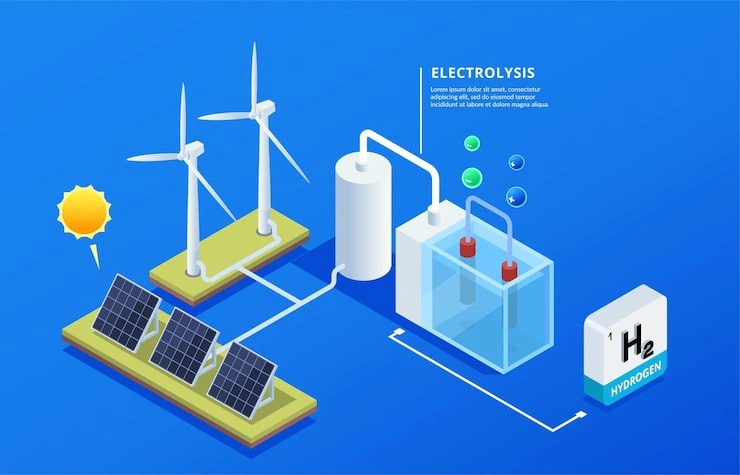
Green hydrogen feels futuristic. Take sun or wind power, run it through water in a gizmo called an electrolyzer. Bubbles of hydrogen pop out clean—no exhaust. It's all about renewables, so zero carbon footprint from the get-go. Folks building these say it's like bottling electricity for when the sun dips.
Pricey still—$3-6 a kilo—but crashing fast as solar gets dirt cheap. Store it in tanks, ship as liquid, burn in engines that spit water. Great for trucks that can't plug in or planes needing light fuel. I've tested a fuel cell cart; smooth ride, no fumes. Needs lots of power though—one kilo takes juice for a fridge week's worth.
Key takeaway: Green hydrogen runs pure on nature's freebies.
Step-by-Step Green Production
Start with a field of panels or turbines. Juice flows to the electrolyzer—stacked plates in a tank of clean water. Flip the switch: hydrogen gathers at one end, oxygen the other. Dry it, squeeze into cylinders. Alkaline types are workhorses; PEMs rev quick for peaks.
A decent setup pumps 1-2 tons a day. I've watched installs—hook to grid, test cells, ramp up. 70% efficient, wastes some as heat but getting better. Best near power sources; cuts losses. Water? Reuse most. For factories, it's like having a personal power plant—make your own fuel onsite.
Key takeaway: Green hydrogen production is plug-in simple with sunshine.
Head-to-Head: Green Vs Grey
Nothing beats a quick chart for green hydrogen vs grey hydrogen.
| Feature | Grey Hydrogen | Green Hydrogen |
|---|---|---|
| Fuel Input | Natural gas | Solar/wind + water |
| Price/kg | $1-2 | $3-6 (dropping quick) |
| Emissions | High CO2 | None |
| Setup Speed | Instant (existing) | 1-2 years build |
| Best For | Chemicals now | Transport future |
Grey's your daily driver; green's the upgrade.
Key takeaway: Chart nails why grey sticks around short-term.
Breaking Down the Dollars
Cash rules energy. Grey hydrogen stays low 'cause gas deals are sweet—add ops, you're golden at $1.50/kg. Green hydrogen eats electricity; at good rates, $2.50 total. Gear costs $800/kW upfront, but lasts 20 years.
Gas spikes? Grey hurts. Green? Fixed solar contracts save big. Tax breaks cover half green builds. A buddy in steel figured payback in 7 years with carbon pricing. Blends cut risk—start 10% green, scale up.
Key takeaway: Green catches grey on price soon.
Eco Side of the Story
Grey hydrogen pumps CO2 like a chain-smoker—billions of tons yearly. Leaks methane too, worse for warming. Green hydrogen? Clean as a whistle. Uses seawater in spots, vast supply. Land for panels? Farms dual-use with sheep grazing.
Big picture: grey keeps warming; green cools it for tough sectors. Transition means jobs—welding electrolyzers beats pumping gas.
Key takeaway: Green breathes easier for all.
Where It's Used Right Now
Grey hydrogen feeds half the world's crops via ammonia. Oils refineries, makes metals shiny. Green hydrogen? Trial buses zip cities, ships cross oceans on blends.
-
Grey rules: steady chems, no fuss.
-
Green rocks: mobile zero-emission wins.
Ports swap tugs; feels the future.
Key takeaway: Grey everywhere; green sneaking in.
Hurdles Ahead and What's Coming

Grey fights regs, supply crunches. Green needs power buildout, cheap mats. But electrolyzers halved cost last decade.
By 2030, green everywhere—pipelines mix 30%. Hype? Nah, plants ordering now.
-
Power gaps: Need massive solar.
-
Wins: Storage solves wind wobbles.
Key takeaway: Momentum tips to green.
You May Also Like: Solar Panel Efficiency Improvement Techniques In India
Time to Go Green?
- Grey hydrogen bridges; green hydrogen arrives. Audit your ops, pilot small. World needs it for net zero.
- Key takeaway: Choose green for tomorrow's win.
FAQs
What exactly makes grey hydrogen grey?
It's the CO2 from burning natural gas to reform methane. No capture, so it stacks up dirty— that's the "grey" label, like smoky exhaust.
How do you actually make green hydrogen at home scale?
Grab a small electrolyzer kit, hook to solar panels, add distilled water. Run current—hydrogen collects in a bag. Scale it with bigger panels for real use, like fueling a bike.
What happens if you mix green and grey hydrogen?
Blends work fine up to 20% in pipes—no engine tweaks needed. How? Test purity first, monitor flow. Starts the switch without full rip-out.