


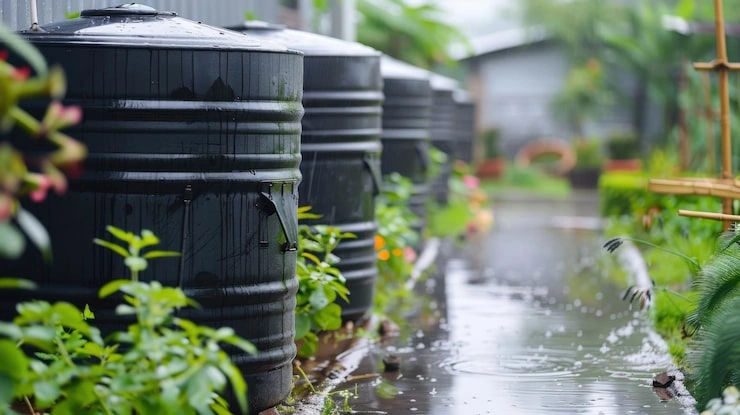
Rainwater Harvesting For Apartments
Water is becoming harder to find in our cities. The ground is drying up. The municipal supply is not enough. And every summer, the same problem comes back. This is the reality for most apartment buildings in India. There is a simple solution to this problem. It is called rainwater harvesting.
This guide will walk you through everything you need to know. We will cover what it is. We will cover why it matters. And we will cover how to set it up in your rainwater harvesting for apartments.
What is Rainwater Harvesting?
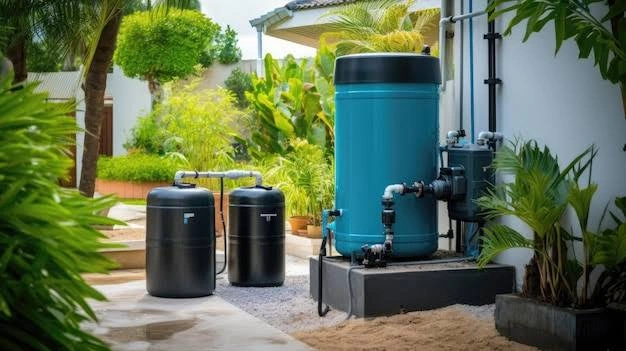
Rainwater harvesting is the collection of rain that falls on your building. The water goes through pipes. It goes through filters. Then it is stored in a tank. Or it is sent into the ground.
The goal is to save this water. We use it for daily chores. We use it for gardening. We use it for cleaning. We do not let it go down the drain .
Most apartments use the roof to collect this water. The roof is the catchment area. Water flows from the roof to the gutters. Then it flows through downpipes. Then it goes to the storage tank .
This system is not new. People have been doing it for a long time. But now, with water scarcity, it has become important.
Read Also: Drone Technology In Sustainable Farming
Why Your Apartment Needs Rainwater Harvesting?
Many apartments in India face water problems. The borewells go dry. The municipal water is not enough. The cost of tanker water is very high. Rainwater harvesting fixes these problems. Here is how.
Bring Down the Water Bills
Water bills can be a big expense for an apartment. Rainwater harvesting cuts this cost. One apartment in Bengaluru saw their water bills drop by half during the monsoon months . That is real money saved. People in apartments with this system can save 40% to 50% on their water bills .
Your apartment can use harvested water for cleaning, washing, and gardening. This reduces the need for fresh water from the municipal supply.
A Backup for Dry Seasons
Summer is tough for water. The demand goes up. The supply goes down. Rainwater harvesting gives your apartment a backup. You can store the rain from the monsoon. You can use it when the summer comes .
This is very useful when tanker costs go up. Tankers can cost Rs 500 to Rs 800 per 1,000 litres . With a harvesting system, you depend less on tankers.
Help the Groundwater
Our cities are using too much groundwater. The water table is dropping. Rainwater harvesting helps fix this. We can send the rainwater into the ground. This recharges the groundwater .
When we recharge the ground, the borewells work better. In one Mumbai colony, the borewell water went from 10,000 litres a day to 20,000 litres a day after harvesting. The water level rose from 35 feet to 22 feet .
Good for the Planet
Rainwater harvesting is good for the environment. It reduces the demand for fresh water. It stops flooding and soil erosion inside the complex . It also saves the energy used to pump water from far away.
Benefits of Rainwater Harvesting for Apartments
Let's look at the practical benefits for your housing society.
| Benefit | What It Means for Your Apartment |
|---|---|
| Lower Bills | Save 40-50% on water bills; less dependence on expensive tankers |
| Reliable Supply | Use stored rainwater during summer and dry periods |
| Groundwater Recharge | Refill borewells and raise the water table in your area |
| Eco-Friendly Living | Reduce strain on municipal supply and prevent flooding |
| Property Value | Apartments with this system are more attractive to buyers |
How to Set Up a Rainwater Harvesting System?
Setting up the system needs some planning. But it is not complicated. Your apartment can do it in a few steps.
Step 1: Find the Catchment Area
The catchment is the surface that catches the rain. For most apartments, this is the roof. The roof should be clean. A sloped roof works best. It lets the water flow easily to the gutters .
Step 2: Install Gutters and Downpipes
You need a way to carry the water from the roof. Gutters are channels fixed around the roof edge. They catch the water. Downpipes are vertical pipes. They carry the water from the gutters down to the ground. Make sure the gutters are sized well for heavy rain .
Step 3: Set Up the First Flush
The first rain carries a lot of dirt. It washes the roof clean. This water should not go into the tank. A first flush diverter does this job. It sends the dirty first water away. Then it lets the clean water through .
Step 4: Choose a Filter
The water needs to be clean before storage. A filter removes debris and dirt. Common filters use sand, gravel, and charcoal. They are easy to build and maintain .
Step 5: Install the Storage Tank
This is where the cleaned water is stored. Tanks can be above ground, partly underground, or fully underground. The size depends on the space and the rainfall in your area. A 5,000-litre tank needs about an 8x8 feet space . The tank must be covered. This stops mosquito breeding and keeps the rainwater harvesting for apartments .
Real-Life Examples That Work
Here are some real examples of apartments that have made this work.
Ganesh Shanbhag - Bengaluru
His apartment complex in Bengaluru always had water problems. He set up a harvesting system for about Rs 3 lakhs. It saved his society Rs 2 lakhs in just two months. The system paid for itself in the first year .
HPCL Colony - Mumbai
This colony had dry borewells every April. They had to buy expensive tankers. After rainwater harvesting, the borewell yield doubled. It went from 10,000 to 20,000 litres per day .
Panchsheel Park - Delhi
A community of 1,000 residents here set up a system. They paid Rs 800 per flat. Today, they harvest over 170 million litres of water every year .
The Cost of a System
Some people think rainwater harvesting is very costly. This is not true. A simple system can be set up for Rs 2,500 to Rs 5,000. This was shown by Subhajit Mukherjee in Mumbai. His setup uses a simple pit and a tank .
For a medium apartment complex of 20 to 30 flats, the cost is between Rs 95,000 and Rs 1,55,000. Here is a rough breakdown :
| Component | Cost Range |
|---|---|
| Storage Tank (5,000L) | Rs 35,000 - Rs 60,000 |
| Filtration System | Rs 15,000 - Rs 25,000 |
| Piping and Fittings | Rs 20,000 - Rs 30,000 |
| Labour Charges | Rs 25,000 - Rs 40,000 |
| Estimated Total | Rs 95,000 - Rs 1,55,000 |
The yearly maintenance is about Rs 6,000 to Rs 10,000. This covers filter changes, cleaning, and repairs .
For smaller apartments, you can build a DIY system yourself. It costs very little. And it works well .
Government Rules in India
The government is pushing for rainwater harvesting. Some states have made it mandatory .
- Tamil Nadu: Mandatory for all buildings since 2003
- Karnataka: Required for buildings with roof area over 250 sq meters
- Maharashtra: Required for plots over 1,000 sq meters
- Delhi: Mandatory for buildings with roof area over 100 sq meters
There are also government schemes that give money for these projects.
You May Also Like: Biodegradable Products Manufacturers In India
Common Myths About Rainwater Harvesting
Many people have wrong ideas about rainwater harvesting. Let's clear them up.
Myth 1: It is very costly
This is not true. A basic system can be set up for a few thousand rupees. It is cheap and easy .
Myth 2: It needs a lot of space
You can store water in underground tanks. They take up very little space. An 8x8 feet space is enough for a 5,000-litre tank .
Myth 3: It doesn't work in low rainfall areas
Even cities with 400 to 600 mm of rain benefit. It is about collecting and storing the rain you get, not the total amount of rain .
Myth 4: It needs high maintenance
The maintenance is simple. Clean the gutters once a month. Clean the filters when needed. It takes a little time .
Bringing It All Together
Water is precious. We cannot waste it. Rainwater harvesting is a simple and effective way for apartments to save water. It cuts costs. It gives a backup supply. It recharges the groundwater.
The system is easy to build. It is cheap to maintain. And it is good for the planet.
Your apartment can take the first step. Talk to your society members. Check your roof. Start with a simple system. It will make a big difference.