



Solar Panel Efficiency Improvement Techniques In India
Solar panels are popping up everywhere these days, and for good reason. They slash your power bills and help the planet breathe easier. But let's be real—most folks set them up and forget them. Dirt builds up. Angles go wonky. Heat saps their strength. I've spent years messing with rooftop arrays, tweaking ground mounts, and watching output meters climb after simple changes. If you're chasing more juice from your solar setup without breaking the bank, you're in the right spot. This guide pulls back the curtain on practical solar panel efficiency improvement techniques in india. We'll cover the basics, smart picks, daily habits, and even tricks pros use. Stick around, and you'll have a plan to squeeze every watt out of the sun.
Optimizing Solar Energy in India: Unlocking Efficiency Through Innovation

Grasping How Panels Work
Solar panels grab sunlight and turn it into electricity through something called the photovoltaic effect. Picture tiny particles in the silicon cells getting excited by photons, knocking electrons loose to create current. Efficiency measures how much of that sunlight actually becomes usable power—top panels hit 15 to 22 percent these days. The rest? It turns to heat, reflects away, or gets blocked by dirt.
Key pieces include the silicon cells wired in rows, a tough glass front, and frames that hold it all steady. When sun hits, voltage builds across the cells. But clouds diffuse light, cutting output by half sometimes. Dust layers act like sunglasses on your panels, robbing 10 to 20 percent easy. I've wiped down a dusty row after a windstorm and seen the inverter readout jump right away.
Temperature sneaks in as a big drag. Panels like it cool—around 25°C ideal. Every degree hotter drops efficiency by about 0.4 to 0.5 percent. Scorchers turn good arrays into warm underperformers. Wiring matters too; frayed connections or undersized cables waste power through resistance, like a pinched straw slowing your drink.
Shading hits hardest. One leaf over a cell can tank the whole panel in a series string. Modern bypass diodes help reroute current, but nothing beats clear skies. Get these fundamentals straight, and half the battle's won. It sets you up to spot fixes that stick.
Over years of installs, I've learned panels aren't set-it-and-forget-it. Weather shifts, trees grow, birds visit. Regular peeks reveal patterns—like output dips tying to summer haze. Log your daily kilowatts against sun hours. Apps make it simple. Once you see the flow, tweaks feel natural, not guesswork. Efficiency isn't magic; it's matching your setup to real conditions.
Read Also: Solar Panel Maintenance Tips For Indian Homes
Selecting High-Performing Panel Types
Your panel choice sets the efficiency ceiling—no cleaning frenzy fixes a weak start. Monocrystalline panels rule for output. Cut from single silicon crystals, they boast uniform black cells and convert 17 to 22 percent of light to power. Perfect for tight roofs where every inch counts. They run cooler too, thanks to lower resistance.
Polycrystalline options shimmer blue from mixed crystals, hitting 15 to 18 percent. Cheaper upfront, they suit sprawling setups with room to spare. Thin-film panels bend and weigh light, ideal for odd shapes or hot spots, but they max at 10 to 12 percent and sprawl wide. I've ripped out old thin-film for monos and never looked back—space savings alone paid off.
Dig into specs beyond efficiency. Temperature coefficient tells heat tolerance—a -0.3 percent per degree beats -0.5. Anti-reflective coatings trap stray light, adding 3 percent on angles. Half-cut cells split the panel, so dirt or cracks hit half as hard. Look for 25-year warranties guaranteeing 80 percent output; that's trust in action.
Frame strength fights wind and snow. Aluminum edges with drainage holes shed water fast. I've seen cheap frames bow, stressing cells. Match panel voltage to your inverter sweet spot—overpanel by 10 to 20 percent for cloudy days without clipping peaks.
| Panel Type | Efficiency | Space Needs | Heat Tolerance | Cost |
|---|---|---|---|---|
| Monocrystalline | 17-22% | Low | Good | High |
| Polycrystalline | 15-18% | Medium | Fair | Medium |
| Thin-Film | 10-12% | High | Excellent | Low |
This quick table helps narrow your pick based on roof reality.
Real talk: test samples if possible. Borrow a neighbor's meter for a sun-soaked hour. Numbers don't lie. Pair with quality racking—wobbly mounts vibrate cells loose over time. Right choice upfront compounds every other tweak.
Nailing the Perfect Angle and Orientation
Sunlight's your fuel, so panels must chase it all day. Aim true south in northern zones, north down south—deviate 10 degrees, lose 5 percent yearly. Tilt matches latitude: 30 degrees at 30° line, steeper north. Flat kills capture; I've raised low-slung arrays 15 degrees and banked extra winter sun.
Seasonal shifts boost more. Crank steeper for December lows, flatten for June highs. Ratchets on racks make it a 30-minute job twice yearly. Ground mounts shine here—full adjustability without roof drama. Trackers swivel east-west, grabbing 30 percent more, but they hum and cost. Fixed setups win for simplicity.
Shading audits first. Map shadows at solstices with sticks and string—trees creep taller. Stagger rows north-south, spacing height times 2.5 for noon clear. Vents or chimneys? Micro-tilt panels away a few degrees. Apps simulate paths; print and mark obstacles.
Roof slope close? Flush mount. Off? Tilted racks level and optimize. Bypass dormers with pole mounts. I've trimmed oaks pre-install, saving thousands in lost output. Post-setup, annual shadow checks keep gains steady.
East-west panels catch dawn-dusk but miss peak; south trumps. Overhangs? Elevate panels out. Every blocked ray cascades—plan ruthless. These orientation hacks deliver free 20-30 percent lifts, stacking with everything else.
Cleaning Routines That Deliver Results
Grime's a silent efficiency assassin. Dust, pollen, sap, droppings—layers cut 7 to 25 percent in weeks. Rain scrubs some, but dry winds cake it on. Soft-bristle brush plus deionized water—no spots. Dawn or dusk cleans avoid thermal shock cracks.
Vinegar-water mix dissolves bird lime; rinse double. Squeegee streaks smooth. Extension poles beat ladders—safety first. I've power-walked arrays post-pollen season, meters spiking 12 percent next sunny day.
Robot trolleys scrub big farms autonomously now, but DIY works. Thermal scans reveal hot grime blobs pre-clean. Microfiber lifts fine dust sans scratches. Bird zones get mesh screens or spikes—mess-free.
Post-storm leaf sweeps prevent clogs. Hard water? Distilled only. Pressure? Never—cells shatter. Track pre-clean output; 5 percent dip means go time.
-
Gentle hose spray, low pressure.
-
Soap for gum, thorough rinse.
-
Blower-dry if dew lingers.
This short list fits any toolkit. Monthly rituals in dusty spots, bi-monthly elsewhere. Clean kicks off compounding gains—dirty panels cap everything else.
Cooling Strategies to Fight Heat Loss
Panels hate heat—efficiency fades 0.4 percent per degree over 25°C. Midday scorchers steal 20 percent summer. Air gaps underneath breathe cool; elevate racks 4-6 inches. Breeze alone reclaims 4 percent.
Evaporative sprays mist backsides, sweat-style cooling drops 5-10°C. Timers sync with peak sun—I've rigged drip lines, output steady on 38°C days. Phase-change pads soak heat like wax melting, stabilizing cells.
White reflective paints bounce infrared. Hybrid pipes run water under panels, dual power-cooling. Ground arrays naturally cooler—soil shades below.
Fan arrays push air through gaps; solar-powered ones free-run. Shade structures over (not on) panels, like pergolas. Inverter cabinets vent too—hot boxes throttle.
| Cooling Hack | Temp Drop | Efficiency Gain | Setup Effort |
|---|---|---|---|
| Air Gaps | 3-5°C | 3-5% | Easy |
| Spray Mist | 5-10°C | 5-10% | Medium |
| Phase Materials | 7-12°C | 7-12% | Hard |
| Fans | 4-8°C | 4-8% | Easy |
Match to your climate. Stack gaps with sprays for double wins. Sensors log temps—under 55°C targets peak performance.
You May Also Like: Solar Panel Recycling and Sustainability
Monitoring Tools for Real Insights
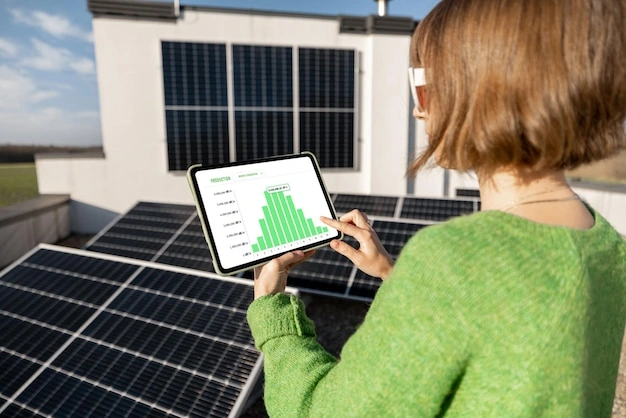
- Blind faith kills efficiency—monitor to know. Apps dashboard voltage, amps, temps live. Alerts ping shading or faults fast. I've chased 2 percent dips to loose MC4 clips.
- Per-panel optimizers bypass shade drags, lifting strings 25 percent. Microinverters flip DC to AC solo, shade-proof. Data logs weather-match output; anomalies scream fixes.
- Smart meters tally self-use vs. grid—trim phantom loads peak sun. AI forecasts cloudy tweaks, battery charge smarts. Firmware flashes unlock inverter efficiencies.
- Community benchmarks share local yields—beat averages. USB loggers chart trends cheap. Pre-post tweak compares prove ROI.
- Upgrade decade-old inverters—new MPPT squeezes 5-8 percent. Wireless sensors spot hot joints. Knowledge turns guesswork to precision.
Routine Maintenance That Builds Gains
Quarterly walks catch cracks, corrosion, loose bolts. Torque specs keep mounts rock-solid—vibes loosen fast. Clean connectors banish oxidation resistance. Multimeter strings quarterly; voltage drops flag bad cells. Bird-proof edges yearly. Weather seals moisture out. Annual pro thermals infrared faults. Log fixes vs. output—patterns emerge. Off-grid? Genny backups cloudy.
Family drills make it habit. Steady nudges beat overhauls.
-
Eyeball damage, discoloration.
-
Tighten, grease fittings.
-
Weather-log comparisons.
Checklist simplicity locks longevity. Proactive pays kilowatt dividends.
Advanced Tech Boosts on Horizon
- Bifacial panels snag rear bounce—white gravel adds 15-25 percent. Perovskite tandems layer cells, lab 33 percent. Self-clean nano-coats lotus-shed dirt.
- Quantum dots grab infrared waste. Concentrating mirrors focus but track. Healing polymers mend cracks.
- Retrofit clips adapt oldies. Costs plunge yearly—watch. Beta bifacials on light roofs wowed me.
Integrating Techniques for Max Output
- Stack smart: angle first, clean second, cool third—30-40 percent total lifts common. Audit site fully—shadows, pitch, wiring.
- Phase it: freebies like tilt weekly, budget cooling yearly. Meter before-after baselines. My garage array hit 110 percent rated via layers.
- ROI accelerates—payback halves. Tweak cycles yearly. Share wins; iterate.
Real setups thrive on combos. Start with site survey: compass app latitudes, shadow sticks solstices. Clean baseline, then angle racks. Add gaps, monitor month one. Output curves sharpen. Budget optimizers for shade zones. Cooling sprays summer. Tech layers last—optimizers, logs. Phased avoids overwhelm. Track kWh/m² monthly; 1.5+ yearly rocks. Neighbors copy layered wins. Patience compounds—year three peaks.
Common Hurdles and Fixes
- Trees encroach? Prune or relocate. Roof pitch wrong? Rerack. Inverter undersized? Swap.
- Birds poop? Net. Dust storms? Daily rinse. Wiring losses? Thicker gauge.
- Hot attic? Ventilate. Battery drain? Peak shave. Each snag has hack—diagnose deliberate.
| Issue | Symptom | Quick Fix |
|---|---|---|
| Low Output | Flat kWh | Clean, angle |
| Hot Spots | Thermal uneven | Check shade |
| String Drag | One panel weak | Optimizer |
| Heat Drop | Summer slump | Air gaps |
Systematic solves stack. Log symptoms, test fixes. Pros for electrics.
Long-Term Efficiency Planning
- Upgrade paths matter. Panels last 25+ years; inverters 10. Budget refresh.
- Expand modular—add strings easy. Battery banks store gains. Grid-tie nets credits.
- Warranty claims documented. Resale boosts efficient arrays. Future-proof with DC optimizers now.
- Plan scales wins. I've expanded phased, efficiency solar panel efficiency improvement techniques in india.
Annual reviews plot: output trends, weather correlate, upgrade queue. Swap inverter peaks, add bifacials space-free. Batteries evening-shift loads. Net metering maximizes. Documentation warranties smooth claims—80% guarantees hold. Resale? Efficient badges premium. Community swaps gear cheap. Visionary tweaks future-proof watts.
FAQs
How often should you clean solar panels for best results?
Clean every 1-2 months in dusty or pollen-heavy areas, or after big storms. A quick rinse can boost output 10-20 percent overnight—I've seen meters jump the next sunny morning. Track your inverter app for dips below normal to time it right.
Does panel angle really make that big a difference?
Absolutely—tilting to match your latitude can add 20-30 percent yearly. Adjust steeper in winter, shallower in summer. Simple racks let you tweak twice a year; it's a free win that stacks with cleaning.
What hurts efficiency most in hot weather?
Heat drops output 0.4-0.5 percent per degree over 25°C. Air gaps under panels or mist sprays cool them 5-10°C, reclaiming summer losses. Ground mounts naturally beat roof heat.